
Leak Detection in Tulsa, OK
A water bill that keeps climbing, a warm spot on the floor or the sound of water when everything is off can all point to a hidden leak. We connect Tulsa-area homeowners with independent, licensed local plumbing contractors for free, no-obligation quotes. The plumber you choose quotes, pulls any permit, and does the work directly with you.
Get a Free Quote Call (727) 300-6656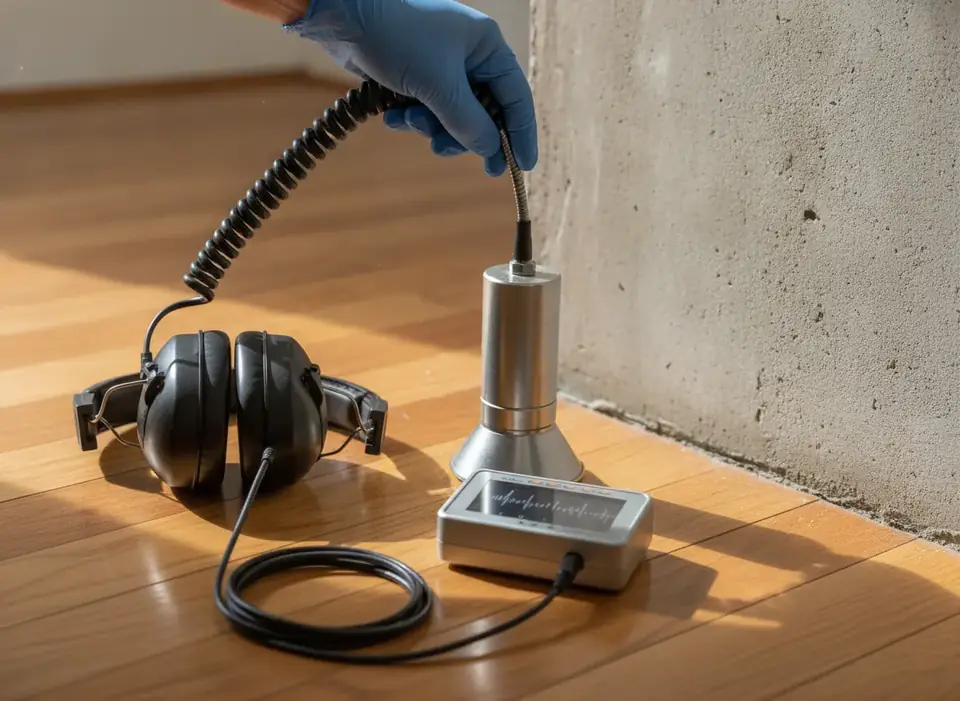
Why small leaks are worth finding
The EPA’s WaterSense program says the average household’s leaks can waste nearly 10,000 gallons of water a year, which can add up to 10% to a water bill. Common culprits are toilet flappers, dripping faucets and showerheads.
The harder ones are out of sight: a line inside a wall, a yard service line, or a pipe under a slab. Those call for a plumber with leak detection equipment.
Two free tests you can do first
Before you request quotes, the EPA suggests two simple checks.
The meter test
Turn off every faucet, appliance and irrigation zone. Read your water meter, wait two hours without using any water, and read it again. If the number moved, water is leaving the system somewhere.
The toilet dye test
Put a few drops of food coloring in the toilet tank and wait 10 minutes before flushing. If color shows up in the bowl, the flapper is leaking.
Narrow it down
If the toilets pass and the meter still moves, close the main shutoff. If the meter then stops, the leak is likely inside; if not, it may be in the yard line.
Write down what you saw; it helps the plumber quote the detection work.
Slab leaks in Tulsa homes
A slab leak is a leak in a water or drain line under a concrete slab floor. Signs homeowners often notice include a water bill that rises with no change in use, a meter that moves during the test above, damp or warm spots in flooring, or the sound of running water when nothing is on. None of these proves a slab leak.
Plumbers have several ways to test for a leak under a slab and to locate it before anyone breaks concrete. Ask which method they will use and whether the detection fee is credited toward the repair.
A note on soil movement
Oklahoma State University Extension notes that shrink-swell clay soils are common in Oklahoma and can crack foundations and walls. Soil movement can stress pipes and foundations, but that alone does not mean your home has a slab leak, and we found no source tying local soils to specific slab leaks. Let a licensed plumber test before you assume a cause.
Housing age matters too. ACS 2024 5-year estimates put Tulsa’s median home build year at 1973, with 64.9% of homes built before 1980, and midtown ZIP codes 74104 and 74120 have a median build year of 1943. Older homes may still have original drain and supply lines, which a plumber can check with a camera inspection. For more on warning signs, read slab leak signs in Oklahoma.
Repair options once the leak is found
Published cost guides describe three broad approaches to a slab leak, and the right one depends on where the leak is and the condition of the rest of the piping:
- Spot repair: open the slab at the leak, repair the pipe, patch the concrete.
- Rerouting: run a new line through walls or the attic and abandon the leaking section.
- Lining: some contractors offer an epoxy lining inside the existing pipe.
After repeat leaks, a plumber may also quote a whole-house repipe. Approaches and prices vary widely, so compare quotes.
Permits for slab leak repair in Tulsa
Tulsa’s plumbing permit form, from the Development Services Permit Center, lists “slab leak” (drain or water) and “reroute piping” as line items, so a slab leak repair is permitted work in Tulsa. The Permit Center states: “Only a Licensed tradesperson may apply for trade permits.” Ask the plumber you hire to pull the permit and arrange the inspection.
Owasso says a plumbing permit is needed for any plumbing installation except minor repairs, according to the city’s permits page. In Sand Springs, state-licensed and city-registered contractors must perform all plumbing work, and in Sapulpa plumbing permits must be requested by state-licensed contractors registered with the City. Our guide to plumbing permits in Tulsa covers more. This is general information, not legal advice.
On a yard leak, remember who owns what: in Tulsa, the sewer and water lines from your house to the City’s connection are generally the homeowner’s responsibility. City ordinance requires owners to keep private service pipes in repair.
Leak detection vs. leak repair: typical costs
Finding a leak and fixing it are usually priced separately.
| Item | Typical range |
|---|---|
| Slab leak detection | $150–$400 |
| Slab leak repair | $500–$5,000 (rerouting can run $3,900–$7,500) |
| Whole-house repipe (~2,000 sq ft) | $2,300–$5,100 |
| Plumber hourly rate | $45–$150/hr nationally; $45–$165/hr in Tulsa (Thumbtack) |
| Service call / trip fee | $50–$200 (often includes the first hour) |
Flooring and concrete patching may be extra. Use the Tulsa plumbing cost calculator for a rough range.
If water is actively spraying or pooling, treat it as an emergency: close the main valve and see emergency plumbing in Tulsa. A leak at the water heater has its own page: water heater repair and replacement.
Before you hire a plumber in Tulsa
Even in a hurry, check these with any contractor:
- Ask for the contractor’s Oklahoma plumbing contractor license number. Oklahoma rules require it on contractors’ ads, bids and contracts, with “OK” in front of it on both sides of work vehicles (OAC 158:30-5-3).
- Look it up on the Construction Industries Board’s “Are They Licensed?” page.
- Ask whether they are registered with your city (Tulsa, Broken Arrow, Owasso…), as 59 O.S. §1020 requires, and whether they will pull the permit.
- Get the price in writing before work starts, including any after-hours fee.
- Gas smell? Leave the house first, then call 911 and Oklahoma Natural Gas at 800-458-4251.
Request leak detection quotes across the Tulsa area:
Leak detection FAQ
How much does leak detection cost in Tulsa?
Published cost guides (2025-2026) put slab leak detection at about $150 to $400 nationally. That covers finding the leak, not fixing it. Slab leak repair runs about $500 to $5,000, and rerouting the line can run $3,900 to $7,500. These are estimates, not quotes, so ask each plumber whether the detection fee is credited toward the repair.
How can I tell if I have a hidden leak?
Try the EPA WaterSense meter test. Turn off all water use in the house, read the water meter, wait two hours without using any water, and read it again. If the reading changed, water is going somewhere. For toilets, add a few drops of food coloring to the tank and wait 10 minutes; color in the bowl means the flapper is leaking.
Does slab leak repair need a permit in Tulsa?
Yes, it is listed as permitted work. Tulsa's plumbing permit form includes slab leak (drain or water) and reroute piping, and the Permit Center says only a licensed tradesperson may apply for trade permits. Ask the plumber you hire to pull the permit and schedule the inspection. This is general information, not legal advice.
Do Oklahoma's clay soils cause slab leaks?
Oklahoma State University Extension notes that shrink-swell clay soils are common in Oklahoma and can crack foundations and walls. Soil movement can stress pipes and foundations, but no source we found ties it to any specific slab leak. If you suspect a leak under the slab, a licensed plumber can test for it before anyone guesses at the cause.
Who pays for a leak in my yard line in Tulsa?
In Tulsa, the sewer and water lines from your house to the City's connection are generally the homeowner's responsibility. City ordinance says owners must keep private service pipes in good repair and makes them responsible for damage from leaks and breaks. The utility-side portion in the right-of-way belongs to the City, so if you are unsure which side is leaking, ask the City.
Get a plumbing quote before a small leak gets bigger.
Free, no-pressure quotes across Tulsa, Broken Arrow, Owasso, Bixby, Jenks, Sand Springs and Sapulpa.